







By Mazi Otti Nwaka
NSCCABSSCFOA.
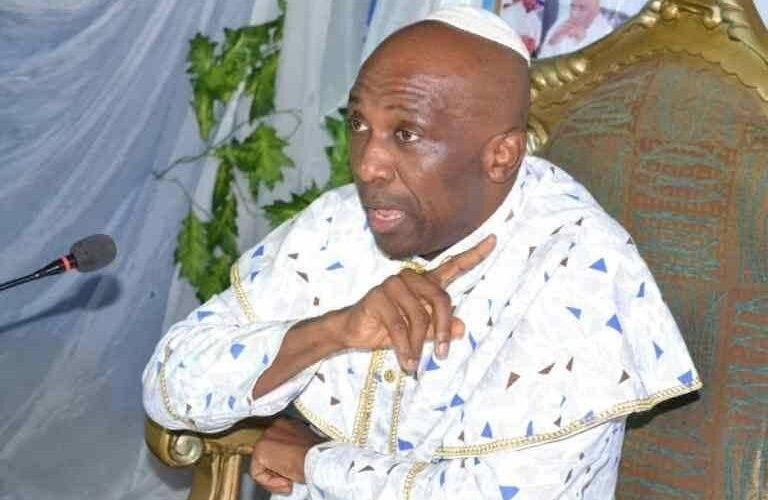
When a religious leader from one ethnic group publicly declares that another tribe—here, the Igbo—is the cause of Nigeria’s difficulties, the statement reverberates far beyond the pulpit. Such rhetoric can deepen existing cleavages, erode trust among citizens, and undermine the nation’s collective effort to address real challenges. While freedom of expression protects the pastor’s right to speak, the impact of his words illustrates several negative consequences.
First, polarisation intensifies. Ethnic identity is already a sensitive fault line in Nigeria; framing a single group as the “problem” fuels stereotypes and resentment. Followers may interpret the claim as validation for prejudice, leading to increased discrimination against Igbo individuals in everyday interactions, business, and politics. This division hampers the cooperation needed to tackle issues such as corruption, infrastructure decay, and insecurity.
Second, social cohesion suffers. Public accusations from a figure of authority can legitimize hostile narratives, prompting counter‑accusations from other groups. The resulting echo chambers on social media amplify misinformation, making constructive dialogue more difficult. Communities that once shared markets, schools, and religious spaces may become wary of one another, weakening the informal networks that help societies resolve disputes peacefully.
Third, the real problems are obscured. By attributing Nigeria’s woes to a single ethnicity, the discourse sidesteps systemic issues—poor governance, weak institutions, and uneven resource distribution. This distraction prevents citizens from focusing on policy reforms, accountability, and inclusive development that would benefit all Nigerians, regardless of tribe.
Potential Mitigations
- Promote inter‑ethnic dialogue: Religious and civic leaders can organise forums that bring together Yoruba, Igbo, and other groups to discuss common concerns and shared values.
- Encourage fact‑based communication: Media outlets and influencers should verify claims before amplifying them, and pastors can frame sermons around unity rather than blame.
- Highlight shared interests: Emphasising collective goals—such as improved education, healthcare, and security—helps re‑center the conversation on nation‑wide solutions.
In sum, while a Yoruba pastor’s statement may reflect personal frustration, the downside lies in its capacity to inflame ethnic tensions, distract from systemic problems, and weaken the social fabric that holds Nigeria together. A more inclusive approach, grounded in facts and empathy, serves both the pastor’s congregation and the broader nation better. Happy Sunday everyone.